

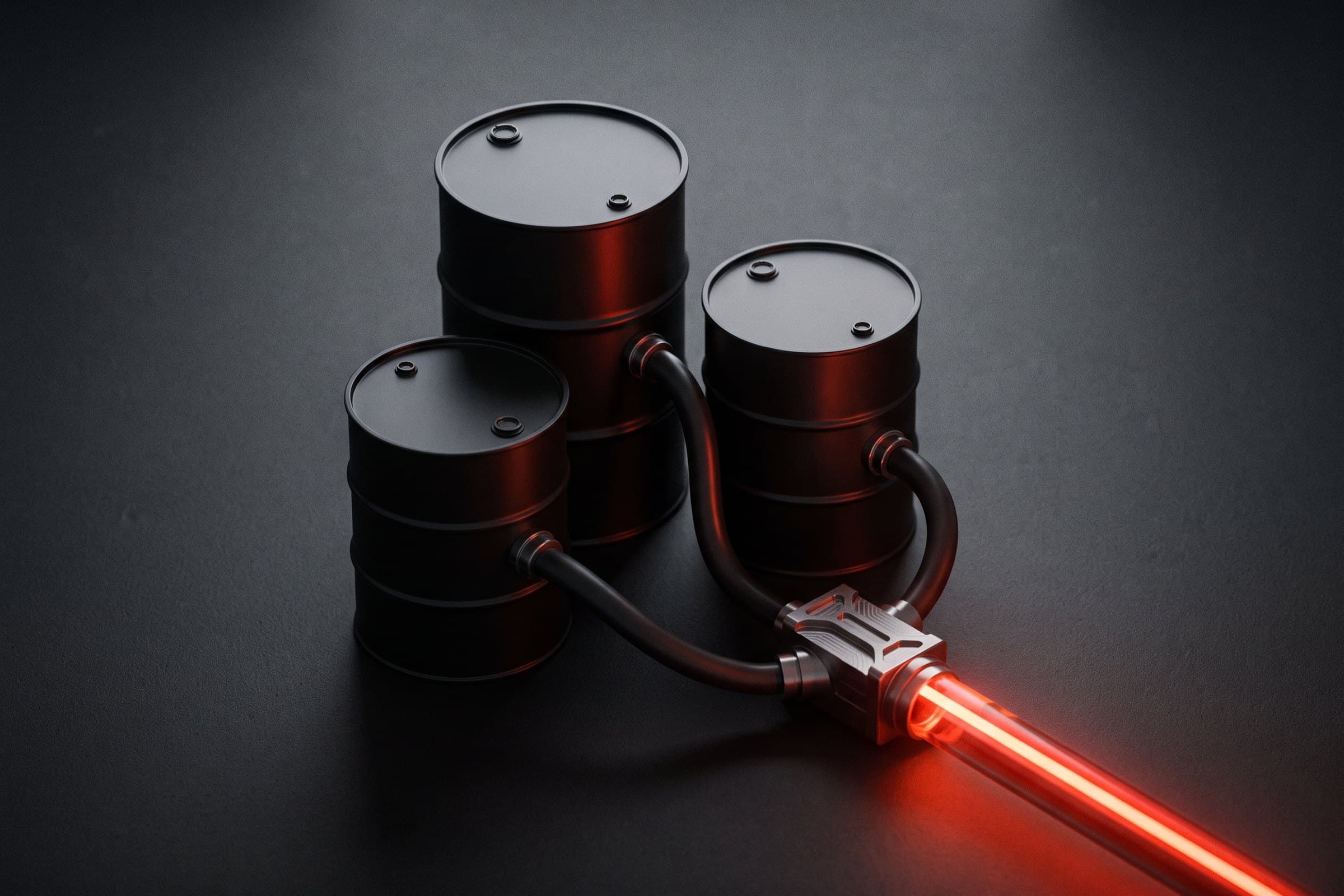
Fields with an owner
Pipelines alerting
Platform Build
Data Foundation
The unglamorous work that has to happen before any of the rest is worth doing: one definition per field, one owner per source, and pipelines that fail loudly.
Timeline
8 wks
Industry
Any Business Before Automation
Service used
System Design, Platform Build, Data Work
Challenge
Three systems hold the same field under three names and none of them is the one people trust
(nai™ — the problem)
Three systems hold the same field under three names, none of them agrees, and every automation built on top of that inherits the disagreement and turns it into a decision nobody can defend.

Data Walkthrough
0:10 sec film
(nai™ — solution)
The data work that has to happen before the automation
Three systems hold the same field under three names, none of them agrees, and every automation built on top of them inherits the disagreement and turns it into a decision that nobody in the room can defend.
No model repairs that. A model only moves the disagreement along faster.
The work starts with a map: every field the business argues about, where each copy lives, and which system is allowed to be right. Definitions are written in plain language, an owner is named against each one, and the pipelines that move it are rebuilt in Airflow so the schedule is explicit.
None of that survives a quarter unless the plumbing says when it has broken:
one definition per field, written in plain words
a named owner for every source of record
tests that run on the data, not just the code
pipelines that fail loudly and stop early
Storage is the easy decision. Postgres for the modelled tables, object storage for whatever arrives raw, and a clear line between the two so that nothing is ever transformed in a place where the original can no longer be recovered.
The harder decision is how much history to keep and how honest to be about it. Records change meaning over time, and a table that overwrites yesterday’s value will answer a question about last quarter with today’s answer and give no sign that it did.
Only then is automation worth building. A model reading a layer with owners, definitions and tests behind it makes a decision that can be traced back to a row, which is the difference between a result and a guess.
Nobody enjoys paying for this stage. It is the stage that decides whether anything after it can be measured, and it is a great deal cheaper here than after launch.
(nai™ — Technology Stacks)
(nai™ — our commitment)
Nobody wants to pay for data work, and every automation that fails quietly is paying for it anyway. We would rather do it first and show you why.

Nukes AI
Delivery commitment


(nai™ — 05)
MORE BUILDS



(nai™ — 15)
Work with us
Book a
free call
We build AI that changes how your work runs —
not how the demo looks.
We’ll map how your
workflows run, show
where AI pays off,
and leave you
with a clear plan.
No prep needed — we’ll steer the conversation
and keep it on what matters.




4 practices
7+ yrs
minimum, every engineer